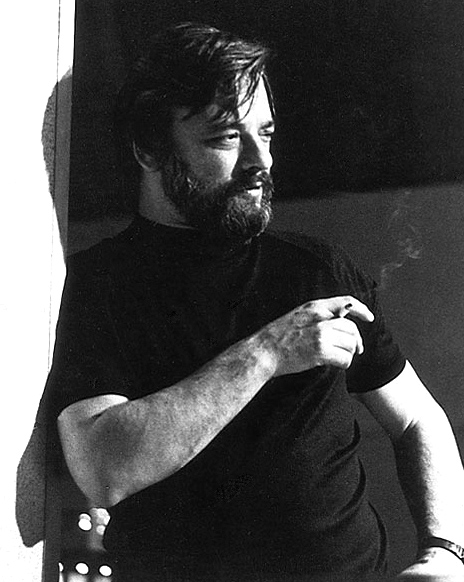
From Broadway Genius to Hollywood Acclaim: Stephen Sondheim's Crossover
Stephen Sondheim. The name alone evokes a pantheon of theatrical brilliance, a titan whose intricate lyrics and sophisticated melodies redefined American musical theater. From the groundbreaking storytelling of West Side Story and Gypsy, for which he penned lyrics, to the towering achievements of Company, Sweeney Todd, and Sunday in the Park with George, where he commanded both music and lyrics, Sondheim's influence on Broadway is unparalleled. His mantelpiece was adorned with an astounding eight Tony Awards (including a Lifetime Achievement Tony), eight Grammy Awards, a Pulitzer Prize, and even a Presidential Medal of Freedom. Yet, for all his monumental stage successes, his journey into the glitzy world of Hollywood was a rare, almost singular, affair. This article delves into the unique story of Stephen Sondheim's Academy Awards nominations wins, focusing on his unexpected yet thoroughly deserved triumph in original film music.
While his stage works frequently found their way to the silver screen—think beloved adaptations like West Side Story (both the 1961 original and the 2021 reimagining), Sweeney Todd: The Demon Barber of Fleet Street, and Into the Woods—Sondheim himself rarely ventured into composing original songs specifically for film. His genius lay in crafting narratives and characters through song in a theatrical context. This made his sole Academy Award win for an original song a remarkable testament to his boundless talent and adaptability, proving that his Midas touch extended beyond the footlights.
The Singular Triumph: Stephen Sondheim's Academy Award Win
The narrative of Stephen Sondheim's Academy Awards nominations wins is, in fact, a story of one nomination culminating in one glorious win. This pinnacle of film recognition arrived in 1991 at the 63rd Academy Awards ceremony. The film that brought this honor was Warren Beatty's stylized 1990 neo-noir crime thriller, Dick Tracy. A vibrant homage to the classic comic strip, the movie plunged audiences into a visually striking 1930s gangster-noir world, and Sondheim's contribution perfectly encapsulated its sophisticated, often cynical, charm.
Sondheim received the Oscar for Best Music, Original Song, for "Sooner or Later (I Always Get My Man)." This victory wasn't merely a nod to a legendary composer; it was an affirmation of his unparalleled ability to craft a song that was both a standalone masterpiece and an integral part of cinematic storytelling. The competition that year was stiff, with fellow nominees including "Blaze of Glory" from Young Guns II and "Promise Me You'll Remember" from The Godfather Part III. However, Sondheim's distinctive blend of wit, elegance, and character-driven lyricism ultimately prevailed, marking a significant, albeit rare, moment in his storied career. For a deeper dive into this historical win, explore Stephen Sondheim's Sole Oscar Win: The Dick Tracy Story.
Dissecting the Oscar Winner: "Sooner or Later (I Always Get My Man)"
The brilliance of "Sooner or Later (I Always Get My Man)" lies in its meticulous construction and seamless integration into the world of Dick Tracy. Sondheim, true to his unparalleled craft, wrote both the music and lyrics for the track. Performed by Madonna in her role as the sultry femme fatale, Breathless Mahoney, the song is a quintessential torch song, steeped in the smoky, seductive allure of 1930s jazz clubs. It's a masterclass in pastiche, perfectly echoing the film's aesthetic while delivering a timeless message.
What makes this song particularly compelling and worthy of a Stephen Sondheim Academy Awards nominations wins accolade is its layered functionality. Lyrically, it's a declaration of Breathless Mahoney's irresistible power and manipulative charm. Lines like "Sooner or later / You'll be mine, I know" and "I'll make you love me, you will find / You're not the independent kind" are imbued with a sly wordplay that advances the plot's themes of deception, desire, and the intoxicating pursuit of power. Musically, its sophisticated harmonies and languid tempo evoke an era, a mood, and a character all at once. Madonna's delivery, dripping with attitude and confidence, brought Sondheim's vision to life, cementing the song as an unforgettable cinematic moment.
The song isn't just a number; it's a character monologue set to music, deepening our understanding of Breathless's motivations and her magnetic hold over Dick Tracy. This integration of character and plot through song is Sondheim's signature, and he brought that theatrical discipline to the big screen with spectacular results. To appreciate the intricate details of this award-winning piece, delve into 'Sooner or Later': Sondheim's Oscar-Winning Film Masterpiece.
Practical Tip: Aspiring songwriters and composers can learn immensely from Sondheim's approach here. Notice how "Sooner or Later" not only serves as entertainment but also provides critical character development and narrative propulsion. When composing for film, consider how your song can subtly (or overtly) reveal a character's inner world or move the plot forward, rather than merely commenting on it.
Beyond the Original Song: Sondheim's Broader Cinematic Influence
While his original contributions to film music were rare, Stephen Sondheim's influence on cinema extends far beyond his single Oscar win. His extensive Broadway oeuvre has provided rich source material for numerous film adaptations, ensuring his unique voice permeated the big screen for decades. Productions like West Side Story (1961, 2021), Gypsy (1962), A Funny Thing Happened on the Way to the Forum (1966), A Little Night Music (1977), Sweeney Todd: The Demon Barber of Fleet Street (2007), and Into the Woods (2014) have brought his complex characters, sophisticated narratives, and breathtaking scores to global audiences, introducing his genius to those who might not have experienced live theater.
These adaptations underscore the timelessness and universal appeal of Sondheim's themes: love, loss, ambition, regret, and the human condition. His ability to delve into psychological depth through song translates powerfully to the cinematic medium, allowing directors to explore complex emotional landscapes. Even when not writing new material, his existing body of work profoundly shaped the landscape of musical film, demonstrating that his theatrical masterpieces were robust enough to thrive in a different artistic dimension.
The success of these film adaptations also offers an important insight: the true measure of a musical work's impact often lies in its ability to transcend its original medium. Sondheim's meticulous craft and profound understanding of dramatic structure made his stage musicals ripe for cinematic interpretation, broadening the reach of his extraordinary legacy and indirectly contributing to the widespread appreciation that eventually led to his individual Stephen Sondheim's Sole Oscar Win: The Dick Tracy Story.
The Enduring Legacy of a Master Composer
Stephen Sondheim passed away on November 26, 2021, at the age of 91, leaving behind an unparalleled legacy. His impact on musical theater is immeasurable, transforming the genre with his intellectual rigor, emotional complexity, and poetic lyricism. His numerous accolades, including the renaming of Broadway's Henry Miller Theater and London's Sondheim Theatre in his honor, speak volumes about his revered status.
The story of Stephen Sondheim's Academy Awards nominations wins, though concise, serves as a powerful reminder of his extraordinary versatility. It highlights that a genius of his caliber was not confined by genre or medium. Whether crafting a sprawling stage epic or a precise, character-driven film song, Sondheim approached his work with the same meticulous artistry and profound understanding of storytelling. His singular Oscar win for "Sooner or Later" from Dick Tracy is not just a footnote in his illustrious career; it's a gleaming testament to a master who could, with seemingly effortless grace, bridge the worlds of Broadway and Hollywood, leaving an indelible mark on both.