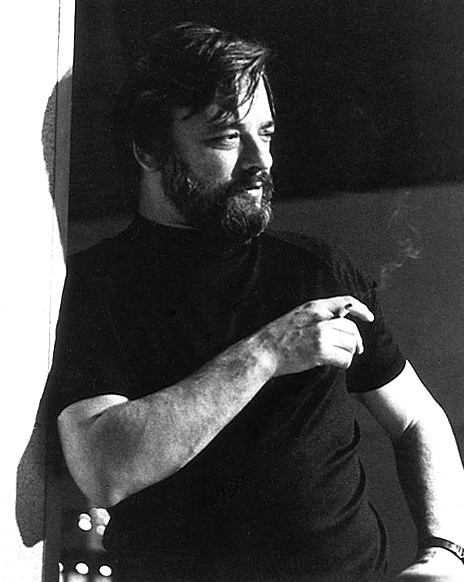
"Sooner or Later": Stephen Sondheim's Oscar-Winning Film Masterpiece
Stephen Sondheim. The name alone conjures images of intricate melodies, razor-sharp lyrics, and a theatrical legacy unparalleled in modern history. From the groundbreaking storytelling of Company to the dark grandeur of Sweeney Todd and the innovative structure of Sunday in the Park with George, Sondheim redefined musical theater. Yet, for all his monumental contributions to the stage, many might be surprised to learn about Stephen Sondheim's unique journey to cinematic acclaim, culminating in a prestigious Academy Award. His sole Oscar win, a testament to his versatility and genius, arrived not for an adaptation of his celebrated musicals, but for an original song he penned for a 1990 film: "Sooner or Later (I Always Get My Man)" from Warren Beatty's stylized crime epic, Dick Tracy. This singular achievement underscores a fascinating aspect of Stephen Sondheim's film music triumph, a rare foray that saw his unparalleled talents recognized on Hollywood's grandest stage.
The story of Stephen Sondheim's sole Oscar win is a captivating footnote in a career brimming with accolades. While his Broadway oeuvre garnered him eight Tony Awards (including a Lifetime Achievement Tony), eight Grammy Awards, a Pulitzer Prize, a Kennedy Center Honor, and the Presidential Medal of Freedom, his encounter with the Academy of Motion Picture Arts and Sciences was brief but triumphant. It’s a compelling narrative of how one of the greatest composers and lyricists of all time added an Oscar to his extensive collection, proving his mastery extended beyond the proscenium arch to the silver screen.
"Sooner or Later": A Cinematic Masterstroke
The year 1990 brought audiences Warren Beatty's ambitious live-action adaptation of the classic comic strip, Dick Tracy. A vibrant, visually stunning homage to 1930s gangster noir, the film required music that could perfectly capture its specific period aesthetic and heightened dramatic tone. Enter Stephen Sondheim. Beatty, deeply appreciative of Sondheim's artistry, personally sought him out to compose original songs for the movie. This collaboration resulted in three original tracks, but it was "Sooner or Later (I Always Get My Man)" that would etch Sondheim's name into Academy Awards history.
The song is a quintessential Sondheim creation, even within the confines of a film soundtrack. Written for the character of Breathless Mahoney, the sultry femme fatale played by pop icon Madonna, "Sooner or Later" is a sophisticated torch song infused with the allure and danger of the noir genre. Sondheim crafted both the music and lyrics, imbuing the piece with a potent blend of wit, cynicism, and seductive power. Madonna's delivery as Breathless Mahoney perfectly embodied the song's sly wordplay and melodic allure, advancing the plot's themes of deception and desire. The lyrics, full of double meanings and a defiant confidence, provided deep insight into Breathless's manipulative yet captivating personality. For instance, lines like "It's only a matter of time 'til I get what I want / And sooner or later I always get my man" not only defined her character but also served as a subtle narrative device, foreshadowing her relentless pursuit and impact on Dick Tracy.
Sondheim's ability to create character-driven pieces was his hallmark on Broadway, and this skill seamlessly translated to film. "Sooner or Later" wasn't merely a standalone pop track; it was an integral part of Breathless Mahoney's persona and the film's dramatic fabric. Its sophisticated structure and evocative lyrics demonstrated how a master composer could contribute immensely to cinematic storytelling, making a song an extension of character and plot rather than just a musical interlude.
The Road to Oscar: A Solitary Triumph
The 63rd Academy Awards ceremony, held on March 25, 1991, at the Shrine Auditorium in Los Angeles, became the stage for Stephen Sondheim's singular victory. "Sooner or Later (I Always Get My Man)" found itself nominated in the highly competitive Best Music, Original Song category. The competition was formidable, including Jon Bon Jovi's energetic "Blaze of Glory" from Young Guns II and the poignant "Promise Me You'll Remember" from The Godfather Part III, composed by Carmine Coppola and John Bettis. Yet, Sondheim's distinctive blend of wit, elegance, and perfect integration into the film's narrative ultimately prevailed.
When the category was announced by presenters Ann-Margret and Gregory Hines, it was Stephen Sondheim's name that was called. While he was not present to accept the award himself—a common occurrence for the famously private and stage-focused artist—his triumph resonated throughout the industry. The win was a powerful affirmation of his ability to craft intricate, character-driven lyrics that seamlessly integrated with cinematic storytelling, even in a field traditionally dominated by pop anthems or classic Hollywood ballads. For many, it highlighted the sheer quality and artistic merit that Sondheim brought to any medium he touched. His win emphasized that a song could be both commercially appealing and profoundly artistic, serving the story and characters with depth and sophistication.
Beyond Broadway: Sondheim's Film Legacy and Broader Accolades
While the Academy Award was a significant moment, it represented a rare detour from Sondheim's primary focus: the legitimate theater. Unlike his extensive Broadway oeuvre, which includes iconic works like A Funny Thing Happened on the Way to the Forum, Company, Follies, A Little Night Music, and Into the Woods, his original contributions to film music were selective. He began his career as a lyricist for masterpieces like Leonard Bernstein's West Side Story and Jule Styne's Gypsy, before dedicating himself to writing both music and lyrics for his groundbreaking musicals.
However, Sondheim's impact on cinema isn't solely confined to his original songs. His stage works have frequently been adapted for the screen, bringing his genius to wider audiences. Notable film adaptations include Tim Burton's darkly atmospheric Sweeney Todd: The Demon Barber of Fleet Street (2007), Rob Marshall's enchanting Into the Woods (2014), and two distinct film versions of West Side Story (1961 and Steven Spielberg's critically acclaimed 2021 reimagining). These adaptations showcase how Sondheim's intricate storytelling, complex characters, and innovative musical structures translate powerfully to the visual medium, enriching the cinematic landscape.
Stephen Sondheim's numerous awards reflect a career of unparalleled achievement across various platforms. Beyond his Oscar, his eight Tony Awards include a Lifetime Achievement Tony in 2008, recognizing his immense influence on American theater. He also garnered eight Grammy Awards for his musical recordings, a Laurence Olivier Award, and a Pulitzer Prize for Drama for Sunday in the Park with George. His contributions were further honored with a Kennedy Center Honor and the Presidential Medal of Freedom, America's highest civilian award. The renaming of the Henry Miller Theater on West 43rd Street in New York (2010) and a theater in London's West End in his honor solidifies his status as a cultural giant.
The Enduring Impact of a Polymath
Stephen Sondheim was more than just a composer or lyricist; he was a polymath who fundamentally changed the landscape of musical storytelling. His collaborations, most famously with producer-director Hal Prince on nine musicals (including Company, Follies, and Sweeney Todd) and later with playwright James Lapine on works like the Pulitzer-winning Sunday in the Park with George, pushed the boundaries of what musical theater could achieve. He tackled complex themes, explored psychological depths, and challenged audiences with non-traditional narratives and musical structures.
His approach to songwriting, whether for stage or screen, always centered on character and narrative propulsion. "Sooner or Later (I Always Get My Man)" perfectly exemplifies this. It's not just a catchy tune; it's a character's declaration, a plot device, and a mood-setter all rolled into one. For aspiring songwriters and film composers, Sondheim's work offers invaluable lessons: always serve the story, let the character's voice dictate the music and lyrics, and never underestimate the power of intelligent wordplay and sophisticated melody. His legacy, cemented by this one unexpected Oscar among countless other accolades, continues to inspire generations of artists to pursue truth and innovation in their craft. Stephen Sondheim passed away on November 26, 2021, at the age of 91, but his masterpieces, including his Oscar-winning film contribution, live on.
In conclusion, Stephen Sondheim's single Academy Award win for "Sooner or Later (I Always Get My Man)" from Dick Tracy is a fascinating testament to his boundless talent. It highlights that even for a genius primarily dedicated to the stage, his ability to craft intricate, character-driven works could seamlessly transition to the demands of cinema, earning him one of Hollywood's most coveted honors. It underscores that for Stephen Sondheim, Academy Awards nominations and wins were not the focus, but a natural consequence of his unparalleled artistic output, wherever it found expression.