The Unprecedented Oscar Triumph: Stephen Sondheim and Dick Tracy
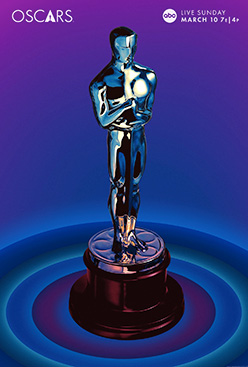
Stephen Sondheim, a name synonymous with American musical theatre and celebrated for his groundbreaking works, received only one Academy Award nomination throughout his illustrious career. Yet, in a testament to his unparalleled genius and versatility, that singular nomination culminated in a resounding win. The legendary composer and lyricist was honored for his contribution to film music for the song "Sooner or Later (I Always Get My Man)" from the 1990 film *Dick Tracy*. This remarkable victory at the 63rd Academy Awards ceremony on March 25, 1991, etched a unique chapter in the story of
Stephen Sondheim Academy Awards nominations wins.
Directed by and starring Warren Beatty, *Dick Tracy* was a visually striking homage to the classic comic strip and 1930s gangster-noir aesthetic. Sondheim's "Sooner or Later" perfectly encapsulated this stylistic ambition. Performed by Madonna in her role as the sultry femme fatale, Breathless Mahoney, the song became an instant classic, deeply embedding itself within the film's narrative. The award itself was presented at the Shrine Auditorium in Los Angeles, though Sondheim was not present to accept it, with Ann-Margret and Gregory Hines graciously stepping in on his behalf. This moment highlighted a rare, but profoundly impactful, foray for Sondheim into the world of original film songwriting, proving his mastery extended far beyond the Broadway stage.
"Sooner or Later": Crafting a Cinematic Masterpiece
The genius of "Sooner or Later (I Always Get My Man)" lies in its intricate design and perfect harmony with the character and tone of *Dick Tracy*. Sondheim, as was his signature, crafted both the music and lyrics for the track, infusing it with a sophisticated torch-song swagger that felt both timeless and perfectly suited to Breathless Mahoney's cunning allure. Madonna's performance brought the song to life, embodying the character's seductive power and underlying menace with a sultry vocal delivery that matched the film's stylized, shadowy world.
Lyrically, the song is a masterclass in character development and narrative propulsion. Sondheim's sly wordplay and melodic allure aren't merely decorative; they advance the plot's themes of deception and desire, painting Breathless Mahoney as an unstoppable force of nature who always gets her way, whether through charm or manipulation. The song’s structure and emotional arc mirror the classic femme fatale archetype, making it an indelible part of cinematic history. This careful integration of song and story is a hallmark of Sondheim's stage work, and he seamlessly translated that expertise to the big screen.
The competition for Best Music, Original Song that year was formidable, including "Blaze of Glory" from *Young Guns II* and "Promise Me You'll Remember" from *The Godfather Part III*. However, Sondheim's entry prevailed, lauded for its distinctive blend of wit, elegance, and profound connection to its source material. It wasn't just a catchy tune; it was a character study in miniature, demonstrating how powerful and integral a song can be to a film's overall impact. For a deeper dive into the specific artistry of this particular triumph, explore
'Sooner or Later': Sondheim's Oscar-Winning Film Masterpiece.
Beyond Broadway: Stephen Sondheim's Selective Foray into Film
To truly appreciate Sondheim's sole Oscar win, it's essential to understand the vast landscape of his career. While his contribution to *Dick Tracy* marked his single victory in the
Stephen Sondheim Academy Awards nominations wins category, his trophy cabinet was overflowing with accolades from other mediums. Sondheim began his illustrious career by penning the lyrics for iconic musicals like *West Side Story* and *Gypsy*, before dedicating himself to composing both music and lyrics for his own groundbreaking shows. His prolific Broadway oeuvre includes masterpieces such as *A Funny Thing Happened on the Way to the Forum*, *Company*, *Follies*, *A Little Night Music*, *Sweeney Todd: The Demon Barber of Fleet Street*, *Sunday in the Park with George*, and *Into the Woods*.
His numerous awards reflect his dominance in the world of theatre: eight Tony Awards (including a Lifetime Achievement Tony in 2008), eight Grammy Awards, a Pulitzer Prize for Drama, a Laurence Olivier Award, a Kennedy Center Honor, and the Presidential Medal of Freedom. In recognition of his monumental impact, both the Henry Miller Theater on West 43rd Street in New York and a theatre in London's West End were renamed in his honor.
While his original film songwriting was selective, his work has been adapted to the screen multiple times, with successful film versions of *West Side Story* (both the 1961 original and the 2021 remake), *Sweeney Todd: The Demon Barber of Fleet Street*, and *Into the Woods*. These adaptations, while bringing his stage genius to new audiences, differ fundamentally from composing original music specifically for a film. This distinction makes his *Dick Tracy* Oscar all the more remarkable: it wasn't an adaptation of existing material, but a fresh creation tailored to the cinematic form, underscoring his unparalleled adaptability and musical craftsmanship.
The Significance of a Singular Win in a Storied Career
Why did a composer of Sondheim's monumental talent, responsible for shaping the very sound of modern musical theatre, receive only one Oscar nomination and win? The answer lies in his artistic priorities. Sondheim's primary focus was always the stage, where he relentlessly pushed the boundaries of the musical form, crafting complex narratives and sophisticated scores that demanded deep engagement. His stage works were often epic in scope, exploring intricate psychological depths and challenging themes over two or three acts. Writing individual songs for film, while clearly within his capabilities, was not his main creative thrust.
This singular Academy Award, therefore, isn't a reflection of limited talent in the film medium, but rather a testament to the concentrated power of his brilliance when he chose to apply it there. It affirmed that even when operating outside his primary artistic domain, Sondheim's ability to craft intricate, character-driven lyrics and compelling melodies was unmatched. It demonstrated that his unique blend of wit, emotional intelligence, and musical sophistication could translate seamlessly from the intimate theatrical experience to the expansive canvas of cinema.
For aspiring songwriters and creatives, Sondheim's Oscar serves as a powerful reminder that true artistic impact is not always measured by the volume of output across every medium, but by the quality and indelible mark left wherever one chooses to create. His victory for "Sooner or Later" cemented his reputation as a truly universal musical storyteller, capable of mastering any form he turned his hand to. The *Dick Tracy* victory offers a fascinating lens through which to examine
From Broadway to Oscar: Stephen Sondheim's Film Music Triumph, shedding light on his unique approach to cinematic scoring.
Stephen Sondheim's Enduring Legacy: A Versatile Genius
Stephen Sondheim's career was a journey of relentless innovation, pushing the boundaries of what musical theatre could be. His collaborations with visionary directors and producers like Hal Prince (on nine musicals including *Company* and *Sweeney Todd*) and James Lapine (on the Pulitzer-winning *Sunday in the Park With George*) yielded some of the most profound and influential works in the history of the stage. Even after his passing on November 26, 2021, at the age of 91, his influence continues to reverberate across the arts world.
The Oscar for "Sooner or Later (I Always Get My Man)" stands as a fascinating punctuation mark in this monumental career. It’s a powerful symbol of his artistic reach, proving that his distinctive voice could resonate just as powerfully in a three-minute pop-noir song as it could in a three-hour Broadway epic. It showcases his incredible versatility and his uncanny ability to distill complex character and narrative into perfectly crafted musical moments. The
Stephen Sondheim Academy Awards nominations wins section of his biography, though brief, speaks volumes about a genius who truly transcended categorization. His legacy is not just in the countless awards he received, but in the indelible mark he left on the very fabric of storytelling through song, whether on Broadway, in Hollywood, or anywhere in between.
Conclusion
Stephen Sondheim's singular Academy Award win for "Sooner or Later (I Always Get My Man)" from *Dick Tracy* is more than just a footnote in a career filled with unparalleled achievements. It is a vibrant testament to his boundless talent, his adaptability, and his unwavering commitment to character and narrative through music. This victory, while an outlier in his predominantly theatrical career, beautifully illustrates that Sondheim was a master not just of the stage, but of musical storytelling in its purest form, capable of captivating audiences across any medium. His genius continues to inspire, reminding us that true artistry knows no boundaries, and that sometimes, one perfect moment is all it takes to cement a legend.